
Blog
Interview with Dr. Sebastian Tong on his innovative social prescribing model at University of Washington
December 5
This month, we spotlight the University of Washington’s Social Prescribing Program in an exclusive interview with Dr. Sebastian Tong, MD, MPH, Associate Professor of Family Medicine. Dr. Tong details his unit’s innovative hybrid model, which combines individual and group sessions to help patients in primary care—including those managing chronic pain or addiction—build community connections, and shares promising outcomes in reducing loneliness, depression, and anxiety.
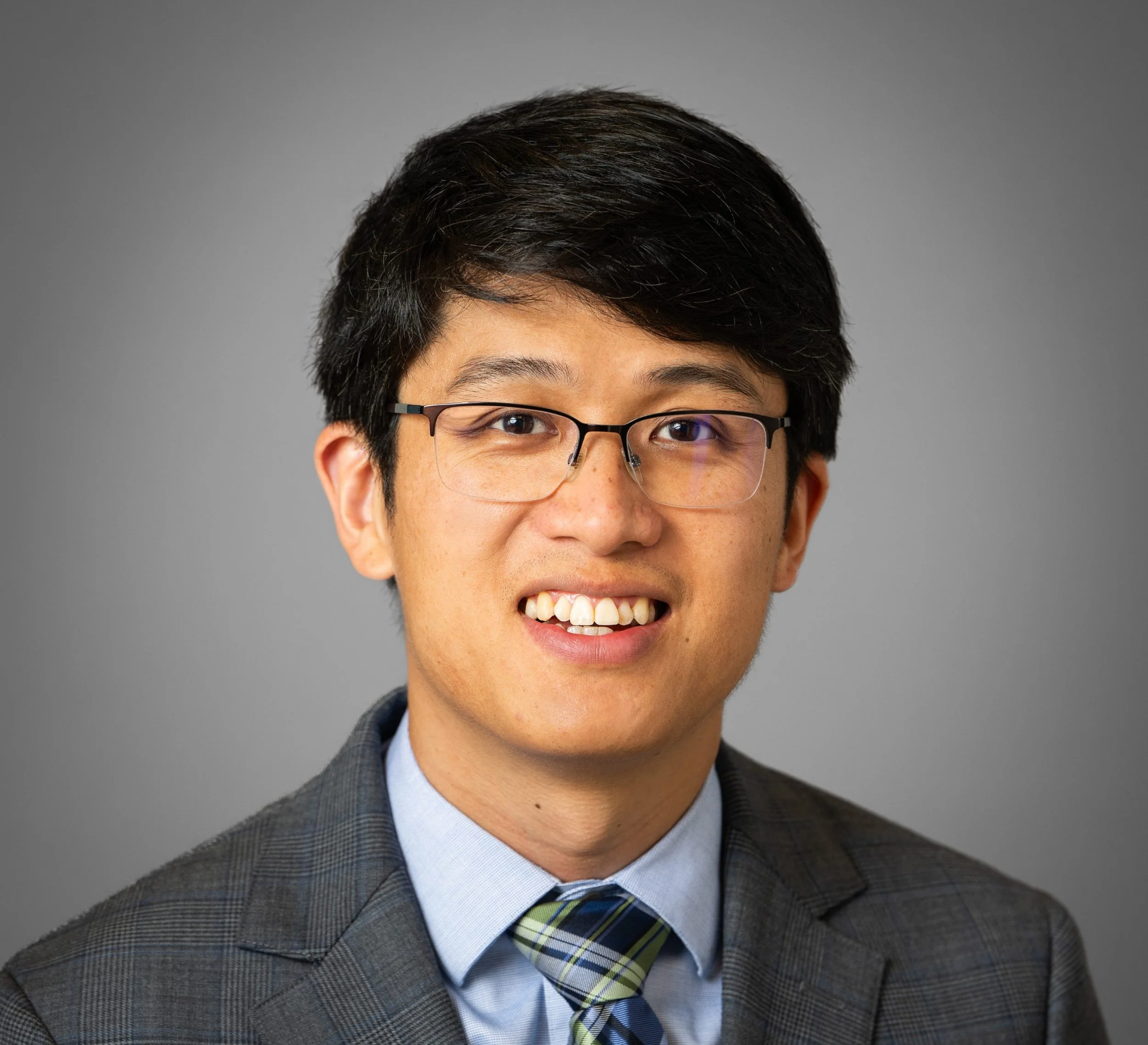
Image caption
1. Can you briefly describe your social prescribing program and the communities it serves?
Our social prescribing program started as a group based model due to funding considerations. It has evolved to be a hybrid of individual and group. Initially, our “link worker” meets individually with referred patients to create a connections plan and to refer them to community organizations that align with patients’ interests and preferences. Then, the link worker meets weekly in a group setting with patients over the course of 8 weeks for accountability, discussion of overcoming barriers to connection (e.g. social anxiety, other medical comorbidities) and for sustainability. We have tested this program in those with chronic pain on long-term opioid therapy and in young adults with a focus of those recruited from primary care settings.
2. What types of social prescriptions (e.g., arts, nature, volunteering) are referred, and who serves as the connector?
A social worker has served as our connector. We work with patients to connect them with the social prescriptions that they prefer.
3. How is your program funded?
Our program has been funded through research grants (National Institute on Drug Abuse and UW Garvey Institute for Brain Health Solutions) and has predominantly been used to study how well social prescribing might reduce loneliness and improve overall well-being. We are working now with clinical partners to sustain our program beyond research funding.
4. How has social prescribing impacted the health and well-being of the people you serve and which outcome measures do you use to measure that impact?
We have measured loneliness using the UCLA Loneliness Scale as well as depression (PHQ-9) and anxiety (GAD-7). We have observed reductions in each of these measures from pre to post intervention.
5. What advice would you give to others looking to start a social prescribing program?
It’s ok to start with a small group of individuals and then slowly grow the program! Something is better than nothing!
For more information on Dr. Tong’s research, visit his lab’s site at https://familymedicine.uw.edu/prime-lab/