
Blog
An interview with Daisy Fancourt, author of Art Cure: The Science of How the Arts Save Lives
February 4, 2026
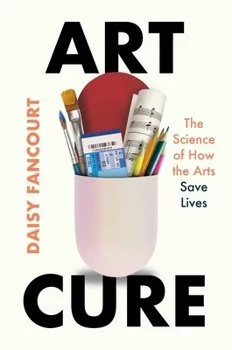
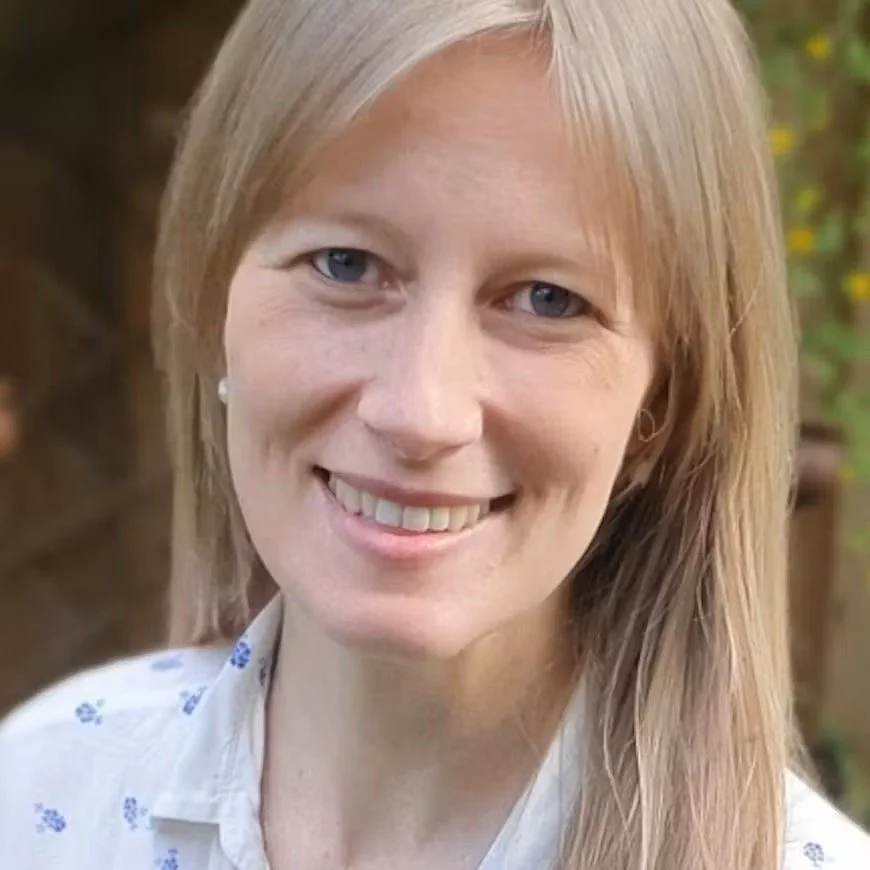
This week saw the publication of the U.S. version of Dr. Daisy Fancourt’s critically-important new book, Art Cure The Science of how Arts Saves Lives. Fancourt is professor of psychobiology and epidemiology and Head of the Social Biobehavioural Research Group at University College London. The U.K. version of Fancourt book was published in January and the book is already generating attention in the popular press along with many friends and colleagues in the growing arts and health space. We reached out to Fancourt to discuss her new book and what it means for social prescribing in the U.S. Our exclusive Q&A with her appears below.
Daisy Fancourt
Image caption
SPUSA: Your book came out in Europe a month ago. What has the reception been so far?
Dr. Fancourt: It’s been rather a whirlwind! The media coverage has been so wonderful and I’m humbled and delighted to say that it’s been selling so fast it’s kept running out of stock everywhere. My UK publisher Penguin has had to do four reprints in the first month alone! It’s really exciting to see this level of passion for the arts and health, so I am thrilled it’s now out in the US too.
SPUSA: What are some of the key themes of your book? And how might it be different from other books on arts and health?
Dr. Fancourt: The book summarizes the phenomenal contribution that the arts and creativity make to the health and wellbeing of individuals and societies by sharing the cutting-edge scientific evidence for how the arts affect our minds, brains, bodies and behaviour. It looks across the whole spectrum of health, from how our day-to-day engagement in the arts influences our wellbeing and risk of developing future illness, through to how people can use the arts to support specific mental and physical health outcomes for different clinical conditions. Everything in the book is evidence based, referencing nearly a 1,000 papers at the end of the book. But it’s very much written for a general audience - you don’t have to be a scientist or work in this field, and I blend the science with real-life stories and examples that bring the research to life. I also provide a “daily dose” of recommendations at the end of each chapter about how to apply the science to your own life to optimise your health. Ultimately my aim with the book is to achieve a step-change in how people view and value the arts – not as a luxury but as an essential. As I describe them in the book, the arts are the forgotten fifth pillar of health.
SPUSA: What are your hopes for the U.S. edition of your book? And who do you hope reads it most here in the United States?
Dr. Fancourt: In both the UK and the US, our arts sectors are facing similar challenges at the moment - major cuts in arts funding, inequalities in access to the arts, and enormous instability for artists and arts organisations. We’re also seeing some worryingly low levels of engagement with the arts. In the US, my team recently published data showing only 1 in 20 adults on a typical day engages in the arts for even 1 minute of the day, and rates of reading for pleasure are at their lowest levels in over 40 years. But we’re really not talking about these issues enough! In Art Cure, I highlight the statistics on the levels of funding cuts and talk about what this means for our health. Because every dollar that we cut in investment in the arts has consequences for health and healthcare systems. Instead, I use the closing chapters of the book to put forward my ideas for how we could construct our societies differently into “creative societies” that really value and embrace the arts and the enormous contributions they make to our lives. I also consider how we as individuals can identify the reasons we’re not engaging more in the arts in our own lives and overcome our blocks. So I hope that this book supports artists and arts lovers, celebrating and championing the work they do, as well as being read by people who don’t already engage much in the arts. Perhaps I can convince them to indulge in some more creative practices!
SPUSA: Is arts prescribing part of the book? And, if so, how is it mentioned and what do you think of the growing field of social prescribing here in the U.S. and around the World.
Dr. Fancourt: Absolutely it is! The very first story I share in the book is about Russell - a man who experienced a brainstem stroke that completely upended his world, but whose life (in his words) was saved by a social prescribing programme offering him arts classes. Across the book, I explore a whole host of examples of programmes and research studies that have zoned in specifically on how the arts can be offered as part of social prescribing schemes. I think it’s one of the most exciting care pathways we have within health services. I’ve worked on pilots of arts on prescription in 23 sites across the US and I share some of the findings in this book.
Why do you think there is such growing interest in arts and health right now around the World?
Dr. Fancourt: In the book I describe what I call the “seatbelt moment”. If you look back over the last few decades, each one has been marked by a major shift in public attitudes towards a health-promoting behaviour. One of the most memorable and marked was seatbelts - in the 1990s, after decades of scientific research and grassroots campaigning, seatbelts in cars suddenly (finally) became mandatory. These shifts – these “seatbelt moments” – are examples of pivot points that have redefined how people think about, value and engage with specific behaviours. I think the growth of interest we’re seeing in arts and health at the moment is a sign that we’re heading into that “seatbelt moment” for the arts. I actually think 2026 could be that year - a year for us to celebrate the value the arts bring to us as individuals and societies, to recognise.and acknowledge the incredible contribytions that artists, arts organisations and arts venues make to our societies, and a reminder to ourselves about the importance of prioritising the arts in our own lives.
Thank you, Daisy!